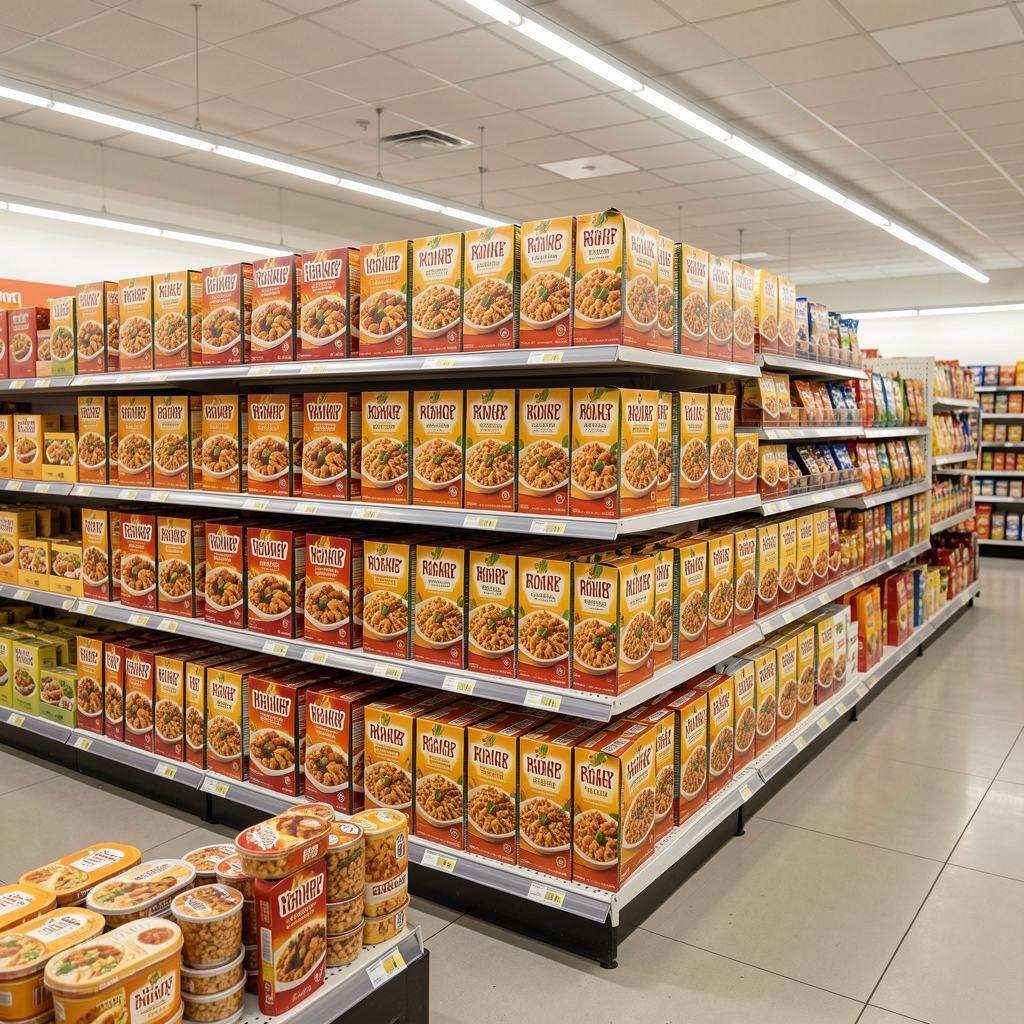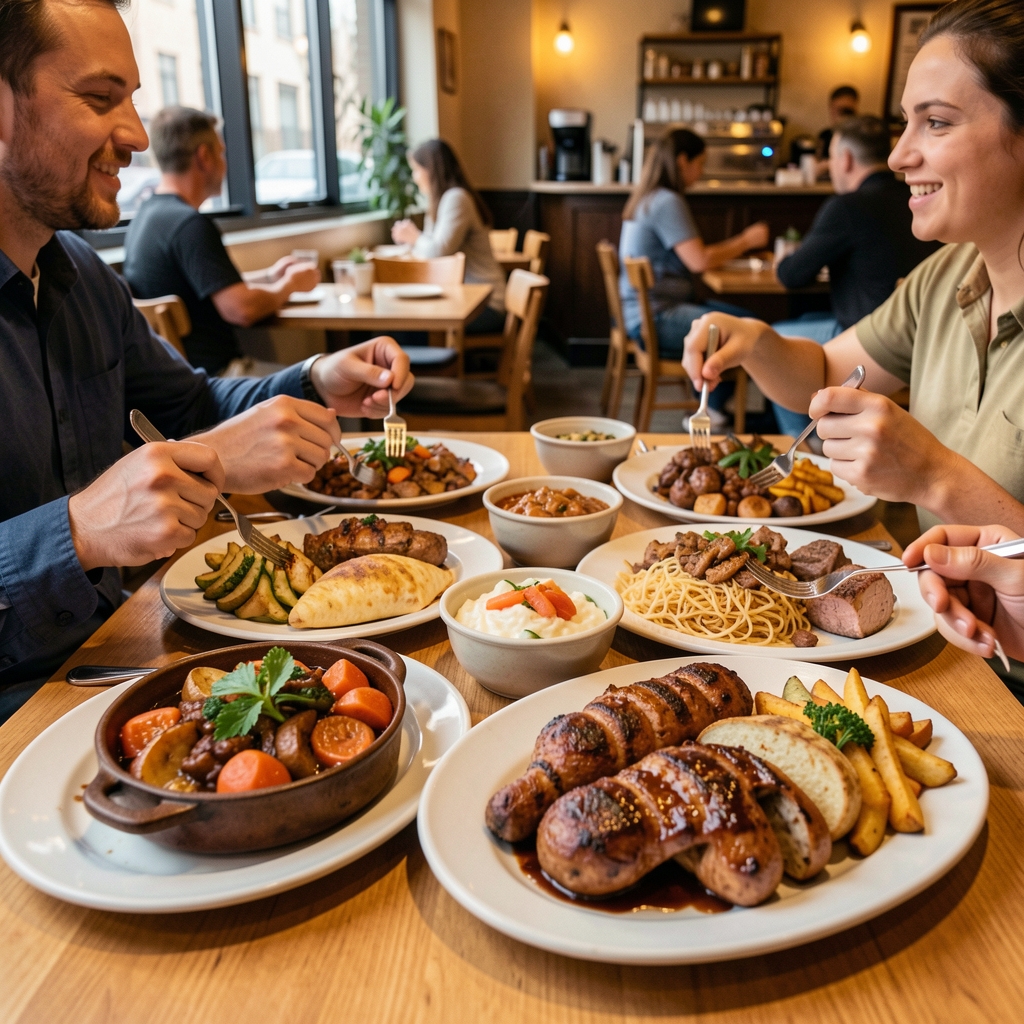
There are categories of everyday eating behaviour that research identifies as consistently under-noticed by the people engaging in them. Liquid calories awareness is among the most documented of these. The portion sizes served in restaurants represent a second. The speed at which people eat — particularly in urban, desk-based working environments — constitutes a third. Together, these three variables form a kind of invisible caloric architecture that operates largely outside the frame of conscious dietary self-monitoring.
Liquid Calories Awareness: The Estimation Gap
Dietary recall studies consistently find that people underestimate their liquid caloric intake more substantially than their solid food intake. This is not simply a reporting error — it appears to reflect a genuine difference in the subjective experience of eating versus drinking. Solid food produces satiation signals; beverages, even those with substantial caloric content, tend not to produce the same neurological and physiological sense of having consumed energy.
The hidden sugars in everyday food problem is most visible in the beverage category. A 500ml bottle of commercially available orange juice contains somewhere between fifty and sixty grams of naturally occurring sugar. A single-serve flavoured coffee from a high-street chain may contain forty grams of added sugar alongside several hundred kilocalories from cream and flavouring syrups. A single serving of a popular fruit smoothie marketed as a healthy option may exceed the sugar content of a standard chocolate bar, while its nutritional framing suggests something entirely different.
None of these products is consumed with awareness of their caloric contribution by most people who purchase them. They are understood as peripheral to the day's eating — accompaniments, hydration, something to drink on the way to work. Liquid calories awareness, when it develops, tends to produce substantial recalibration of how people understand their actual daily intake versus their perceived intake. The gap between the two is often more significant than they anticipated.
"Beverages, even those with substantial caloric content, tend not to produce the same neurological and physiological sense of having consumed energy."
Portion Distortion and Restaurant Eating Frequency
Portion distortion refers to the progressive recalibration of perceived normal portion sizes upward — a phenomenon well-documented in the nutritional and behavioural literature since at least the early 2000s. As restaurant eating frequency and portion sizes served outside the home have grown over two decades, the reference frame for what constitutes a standard portion has shifted accordingly. Studies using controlled portion presentations find that people are now more likely to classify oversized portions as standard and standard portions as small than they were fifteen years ago.
Restaurant eating frequency is a significant variable in this process. The United Kingdom, like most high-income countries, has seen a substantial increase in the proportion of meals consumed outside the home over the past generation. This increase accelerated during the delivery-platform era: food prepared in commercial kitchens — with its typically larger portion sizes, higher fat and sodium content, and greater caloric density than equivalent home-prepared food — is now accessible without even the logistical barrier of travel.
When restaurant-portion reference frames become the household default, home-prepared portions expand to match. A household that regularly orders delivery meals or eats out several times a week will tend, when cooking, to serve portions that reflect what they have become accustomed to eating outside — not what a nutritional guideline would recommend. Portion distortion is, in this sense, an adaptive response to an environment of abundant, oversized servings.
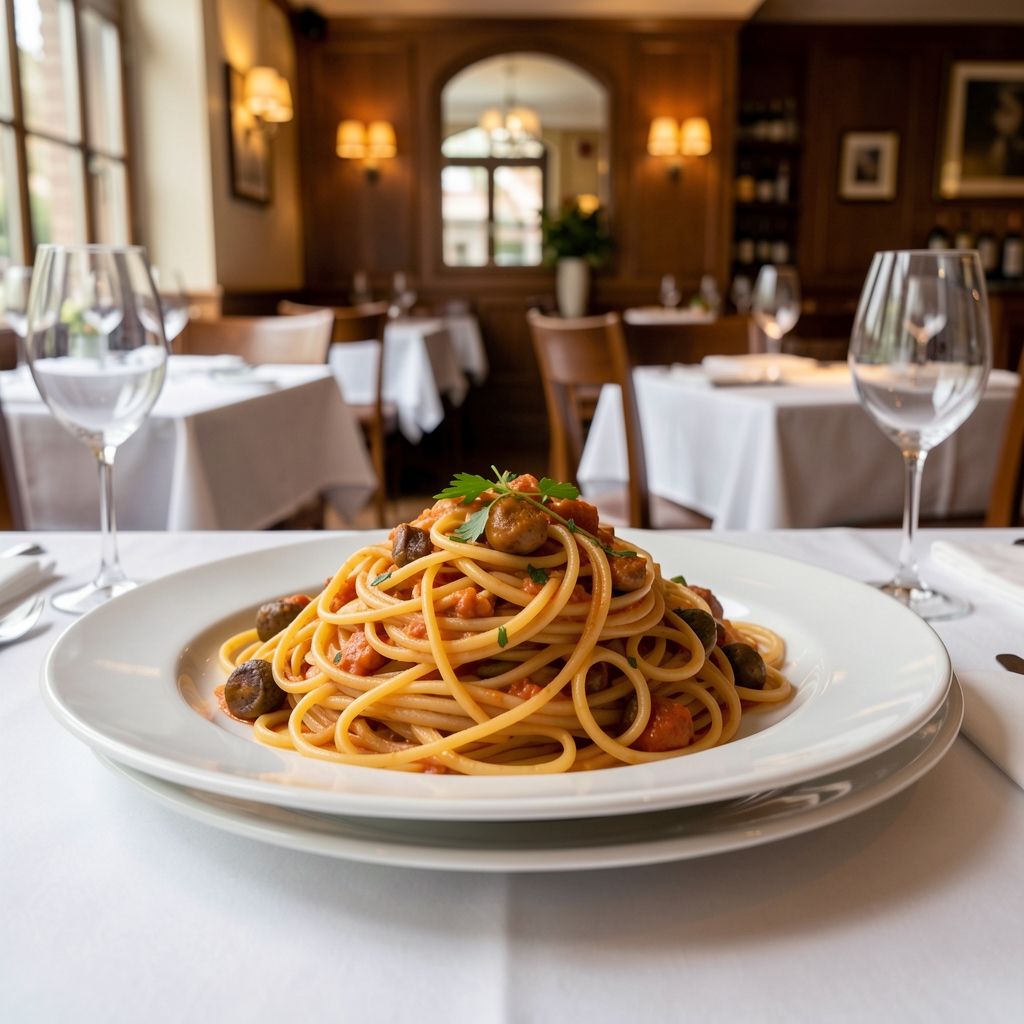
Restaurant portion context, March 2026 — Embern Notebook archive
Mindless Snacking: The Attention Variable
Mindless snacking is a term that appears frequently in popular nutritional commentary, often framed as a failure of attentiveness or self-discipline. The research framing is somewhat different. What the literature identifies as the primary driver of unintended snacking is not inattentiveness per se, but the combination of ambient food availability, low-salience consumption contexts, and the disruption of satiation signals by competing attentional tasks.
When food is consumed while engaged with a screen — a common pattern during working-from-home arrangements, evening television viewing, and commuting with snacks — the attention allocated to the eating experience is substantially reduced. Several controlled studies have found that food consumed while engaged with an absorbing task produces less reliable satiation and is poorly encoded in subsequent recall. People who eat while watching a programme consistently report consuming less than they actually consumed, and report feeling less satisfied than people who ate equivalent amounts in an undistracted context.
The practical implication is not that people should permanently disconnect from screens during meals — a socially unrealistic instruction for most households. It is, more modestly, that the low-attentiveness eating context produces a distinct pattern of consumption that deserves its own awareness. Identifying snacking occasions that occur specifically in low-attention contexts, and distinguishing these from hunger-driven eating, is a more tractable intervention than attempting to eliminate screen use during meals altogether.
- 01Liquid calories awareness involves a genuine estimation gap — beverages do not produce satiation signals equivalent to solid food.
- 02Hidden sugars in everyday food are most concentrated in the beverage category, particularly juices, smoothies, and flavoured coffees.
- 03Portion distortion reflects an upward recalibration of perceived normal serving sizes driven by increased restaurant eating frequency.
- 04Mindless snacking is primarily an attention and context variable, not a discipline failure — low-attentiveness eating environments disrupt satiation encoding.
- 05Cooking at home benefits include portion control, reduced hidden sugars, and greater conscious engagement with what is being consumed.
Cooking at Home Benefits: The Evidence Base
The cooking at home benefits documented across nutritional studies are, at their most fundamental, a function of control. When food is prepared at home, the cook determines portion size, salt content, fat type, added sugar quantity, and the ratio of processed to unprocessed ingredients. In a restaurant or with a delivery order, all of these variables are determined by commercial operations optimising for palatability and consistency at scale, not for nutritional profile.
Large-scale dietary studies — including cohort data from the UK Biobank — consistently find that frequency of home cooking is negatively correlated with dietary sodium intake, added-sugar intake, and total caloric intake. This holds even after controlling for household income, education level, and food purchasing behaviour. The relationship is not explained by the fact that nutritionally interested people both cook more and eat better; it appears that the act of cooking itself changes what ends up on the plate.
There is also a perceptual element. People who cook report a greater awareness of what they are eating, a clearer recollection of the meal in subsequent dietary recall, and a more accurate estimation of its caloric and nutritional content. This attentional engagement with the meal may partly explain the satiation and recall differences observed between home-cooked and restaurant or delivery meals in controlled studies.
A Note on Gradual Dietary Improvement
The three topics covered in this article — liquid calories, portion size, and attentiveness during eating — share a common characteristic: they are each amenable to incremental adjustment without wholesale dietary disruption. Liquid calories awareness can be developed by reading labels on beverages and tracking one week's consumption as an exercise in self-observation, not as a commitment to elimination. Portion recalibration can begin with one meal occasion — measuring a single portion of rice or pasta against a recommended guideline, not as a rule, but as a data point.
Gradual dietary improvement is the approach supported most consistently by the long-term dietary change literature. Abrupt restructuring of eating patterns, while sometimes effective in the short term, tends to produce reversion. The household that removes all processed food simultaneously, commits to daily cooking from scratch, and eliminates all sugary beverages in a single week frequently finds the arrangement unsustainable within a month. The household that adjusts one variable — say, replacing one purchased beverage daily with water for three weeks — is more likely to sustain that adjustment and build incrementally from it.
This is the editorial orientation of Embern Notebook: not transformation, but observation. Observing what one actually eats, when one eats it, how quickly, and in what state of attention, is the precondition for any change that is likely to last. The articles published here aim to provide the observational framework — the vocabulary, the research context, the pattern identification — that makes that self-observation more legible.